Image source pinterest
Introduction:
Many people dream of a wardrobe that feels calm, clear, and easy to use every day. But over time, clothes pile up and order slowly fades. I used to open my wardrobe every morning and still feel confused about what to wear, even though it was full. Wardrobe organization is not about perfection. It is about creating a system that works with your daily life. When everything has a place, getting dressed feels simpler and lighter. A well organised wardrobe helps you enjoy what you already own and brings a quiet sense of control back into your space.
Why It Matters Over How To
Most wardrobe advice focuses on steps and rules. But real change starts when you understand why wardrobe organization matters in daily life. It is not about doing everything perfectly. It is about creating ease, clarity, and comfort in your routine. Once I understood why organisation mattered to my daily mood and time, it became easier to stay consistent. When the reason is clear, the habit becomes natural and long-lasting.
- Wardrobe organization as a lifestyle habit: Wardrobe organization works best when it becomes part of everyday life. It supports smoother mornings and calmer decisions. Instead of a one-time effort, it fits into your lifestyle and grows with your needs. I noticed that spending just a few minutes every month checking my wardrobe felt far easier than doing a full clean once a year. Small, regular attention makes the biggest difference over time.
- Monthly checking vs one-time clean-ups: One, time clean-ups often feel good but do not last. I used to do deep wardrobe clean-ups before events or season changes, but within weeks everything felt messy again. Monthly checking is lighter and more realistic. It helps you notice changes in your habits and wardrobe needs. This simple routine keeps things under control without feeling overwhelming.
Mental Load & Decision Fatigue
A cluttered wardrobe can slowly increase mental load without you realising it. When clothes are not organised, your mind has to work harder to make simple choices. This extra thinking uses mental energy early in the day. Over time, it can affect focus and mood. I personally noticed that on days when my wardrobe felt messy, even simple outfit choices took longer than usual and felt more draining than they should have. Wardrobe organization helps reduce this pressure by bringing clarity and order.
- Mental Pressure of Daily Outfit Decisions: Choosing an outfit involves many small decisions. Colours, styles, and combinations all compete for attention. When there are too many options, mornings can feel slow and draining. After developing a habit of checking my wardrobe regularly, I found that getting dressed became quicker and required less mental effort. A more organised wardrobe removes unnecessary choices and makes the process feel easier.
- Visual Clutter and Calm Mornings: What you see first thing in the morning matters. A crowded wardrobe creates visual clutter that can add stress. A clear and balanced space feels lighter on the mind. Seeing only the clothes I actually wear helped my mornings feel calmer and more settled. This kind of environment allows the morning routine to flow smoothly and sets a positive tone for the day.
Creating a Wardrobe That Works for You
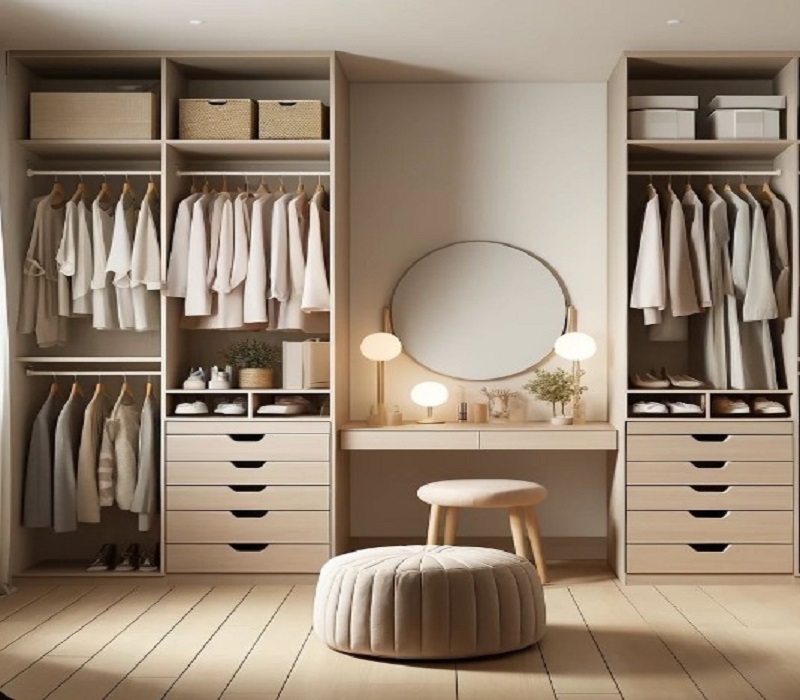
A wardrobe works best when it supports how you live every day. Clothes you wear often should be easy to see and easy to reach. When you understand what truly belongs in your wardrobe and what no longer serves you, the space starts to feel lighter. Simple organisation using drawers, shelves, or storage boxes helps create natural order without extra effort. Each item having a clear place keeps favourites visible and stops unused pieces from taking up space.
Arranging clothes in a way that feels natural to you makes getting dressed smoother and less stressful. Your style becomes clearer because you are surrounded by clothes that fit your habits and routine. Once my wardrobe reflected my real daily life instead of special occasions, getting dressed felt easier. The wardrobe feels calmer, more balanced, and easier to manage. Over time, this kind of organisation turns your wardrobe into a practical part of daily life, rather than a space you have to constantly fix.
Personal Style Awareness
Personal style awareness develops when you start dressing for yourself. It is about choosing clothes that suit your comfort, mood, and daily life. Over time, you begin to trust your own taste instead of outside influence. Through monthly wardrobe checking, I noticed which styles I kept ignoring and which ones I naturally reached for. Your wardrobe becomes more personal and meaningful. As your lifestyle changes, your clothing choices naturally change too. This awareness helps your wardrobe grow with you and reflect who you are at each stage of life.
For more article visit our website:https://rakeback.blog/
Simple Wardrobe Rules That Make Daily Dressing Easier
Many people struggle with outfit choices because their wardrobe feels overwhelming. Simple wardrobe rules help bring clarity without strict restrictions. These concepts are not about limiting yourself, but about understanding balance, usage, and priorities. I realised I was already following some of these rules without knowing their names. When applied gently, they make dressing easier and help you use your clothes more intentionally.
3-3-3 Rule
This rule focuses on a small selection of clothes for short periods. It encourages mixing a few tops, bottoms, and shoes to create multiple outfits. The goal is to reduce decision fatigue and better understand what you actually enjoy wearing. These rules can be used during monthly wardrobe checks to make decisions easier.I found this especially helpful during busy months.
80/20 Rule
The 80/20 rule suggests that people wear only a small portion of their wardrobe most of the time. A few favourite pieces get repeated, while the rest stay unused. I noticed I was reaching for the same outfits every week. This rule helps identify which clothes truly support daily life and which ones quietly take up space.
90/90 Rule
This rule helps with decision-making. If you have not worn an item in the last 90 days and cannot imagine wearing it in the next 90 days, it may no longer fit your lifestyle. It encourages honest reflection rather than emotional attachment.
5-4-3-2-1 Rule
This rule creates balance by limiting categories. It might include five tops, four bottoms, three layers, two pairs of shoes, and one accessory focus. The idea is not numbers, but harmony and ease in outfit building.
5-5-5 Rule
The 5-5-5 rule is about simplicity. It usually means choosing five items for each main category to keep options manageable. I found this useful when my wardrobe started feeling crowded again. This helps prevent overloading the wardrobe while still allowing flexibility and personal expression.
Seasonal Rotation and Storage
Keeping season-appropriate clothes in your wardrobe makes everyday dressing much easier. When only relevant items are visible, you can choose outfits quickly without feeling confused. Mixing winter and summer clothes used to overwhelm me visually.Clothes that do not match the season can be stored away, which helps keep the wardrobe organised and balanced. This simple habit supports better wardrobe maintenance and prevents unnecessary wear on clothing. Over time, seasonal rotation creates a calmer space and makes your daily routine feel more smooth and stress-free.
Maximise Space & Layout Logic
Using wardrobe space wisely depends on how items are placed, not how much storage you have. When clothes are arranged with a clear layout, the space feels easier to use. Frequently worn items stay within reach, which saves time during daily dressing. Placing less-used items higher made my wardrobe feel instantly less cluttered. Clothes that are used less often do not interrupt the flow of the wardrobe. This balance helps reduce clutter naturally. A logical layout also makes it simpler to maintain order over time. As a result, the wardrobe remains functional and comfortable to manage in everyday life.
Conclusion:
Wardrobe organization is not about strict rules or perfect systems. It is about creating a space that supports your daily life. When clothes are checked regularly, arranged with logic, and matched to the season, everything feels easier. Decisions take less effort, mornings feel calmer, and your personal style becomes clearer. From my experience, small monthly habits made a bigger difference than any one, time to clean, up. Small habits, done consistently, help the wardrobe stay organised without stress. Over time, a well-managed wardrobe becomes a quiet part of a balanced and comfortable lifestyle.
FAQs(Frequently Asked Questions)
What is the best way to organize your wardrobe?
The best way to organize your wardrobe is to keep only what you wear often and arrange it in a simple, clear way. This makes your wardrobe easy to use and maintain.
Does wardrobe organisation really reduce stress?
Yes, fewer choices and less clutter can make daily decisions feel easier.
Do I need to remove clothes to stay organised?
Not always. The focus is on keeping what you actually wear and use.
Are wardrobe rules like 3-3-3 necessary?
No. They are optional tools to help create awareness, not strict rules.
Disclaimer:
This article is shared for general information and lifestyle guidance only. It is meant to inspire simple habits and may not suit everyone’s personal needs.