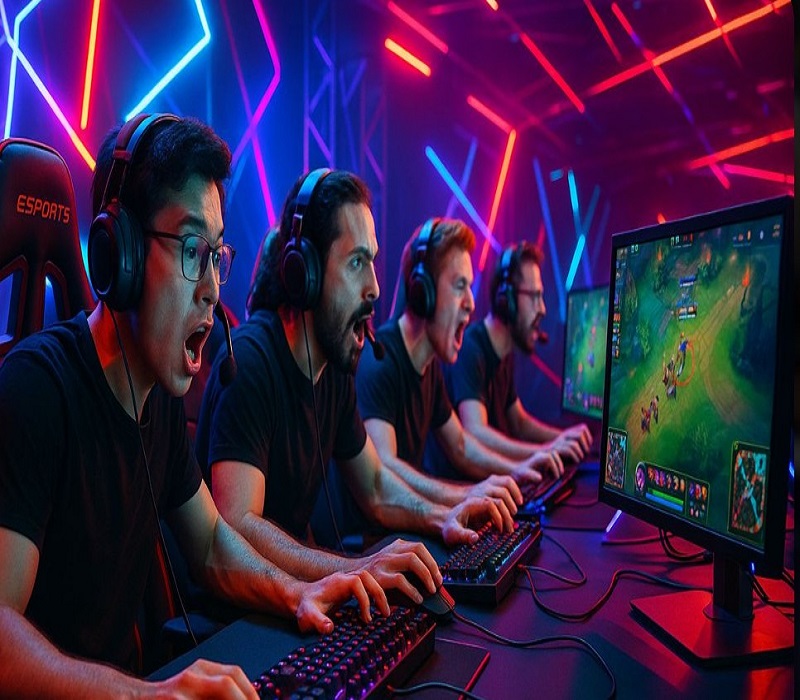
ProjectRethink.org Team Esports is used to describe a structured, team-focused esports concept within competitive gaming. It exists in response to gaps in traditional esports models, where constant pressure, mental overload, and burnout have affected long-term team and player stability. The concept shifts attention from individual performance stress to organized, team-based participation.
Key problems this concept addresses include:
- Burnout caused by nonstop competition cycles
- Mental overload from win-focused team structures
- Pressure-heavy environments with little recovery time
- Lack of long-term stability for players and teams
What Is ProjectRethink.org Team Esports? A Clear Overview
ProjectRethink.org Team Esports is discussed in relation to modern team-based esports practices that extend beyond simple match outcomes. It is commonly associated with organized team participation within digital gaming spaces, with attention placed on how teams operate, develop, and remain active over longer periods. What sets this concept apart from other structured teams is its origin in rethinking how esports teams are built to reduce instability, burnout, and short competitive cycles.
Key aspects often associated with this concept include:
- Structured team organization within competitive gaming
- Coordination and collaboration among players
- Training practices used in team-based esports
- Responsible and rule-aware participation in competitive environments
- Long-term player involvement and continuity
- Balanced engagement within digital gaming spaces
Within this framework, ProjectRethink.org Team Esports represents an approach that looks past short-term results. The emphasis is placed on team systems, shared understanding, and consistency, positioning the concept as a purpose-driven model rather than just another competitive structure, and aligning it with a broader industry shift toward sustainable participation in esports.
Breaking Down the Concept Behind ProjectRethink.org Team Esports
ProjectRethink.org Team Esports describes a competitive gaming concept that focuses on teams working as organized and stable groups, rather than short-term or temporary lineups. It highlights how esports teams are structured, how players coordinate with one another, and how responsibility is shared within digital gaming environments.
A central idea within this concept is team stability, where consistent team setups support learning, communication, and strategic development over time. Beyond rankings and match results, this perspective also shows how esports teams can grow together through improved coordination, ethical awareness, and community interaction.The Core Idea That Shapes This Esports Initiative
ProjectRethink.org Team Esports is built in response to the pressure-heavy nature of competitive gaming, where players often face constant mental load, stress, and burnout from result-driven play. Instead of treating esports as a nonstop race to win individual matches, the focus shifts toward a coordinated system that supports team structure, balance among players, and continued involvement over time.
Team-First Competitive Thinking
- Organized Team Roles: Clear role distribution helps players understand responsibilities and coordination needs instead of relying only on individual skill. This clarity reduces mental confusion and stress during matches, supporting better focus under pressure.
- Shared Decision-Making: Team coordination is prioritized over solo decisions through communication and planning. Sharing decisions lowers decision fatigue, helping players remain mentally stable and consistent in high-pressure situations.
Sustainable Growth in Esports
- Player Stability and Continuity: Mental balance and structured participation are treated as factors that support consistency. Stable players contribute to reliable team performance over time.
- Learning as a Team Process: Improvement is linked to collective understanding rather than repetitive individual play. Teams adapt more effectively when learning is shared and evaluated together.
Team Composition and Operational Structure at ProjectRethink.org
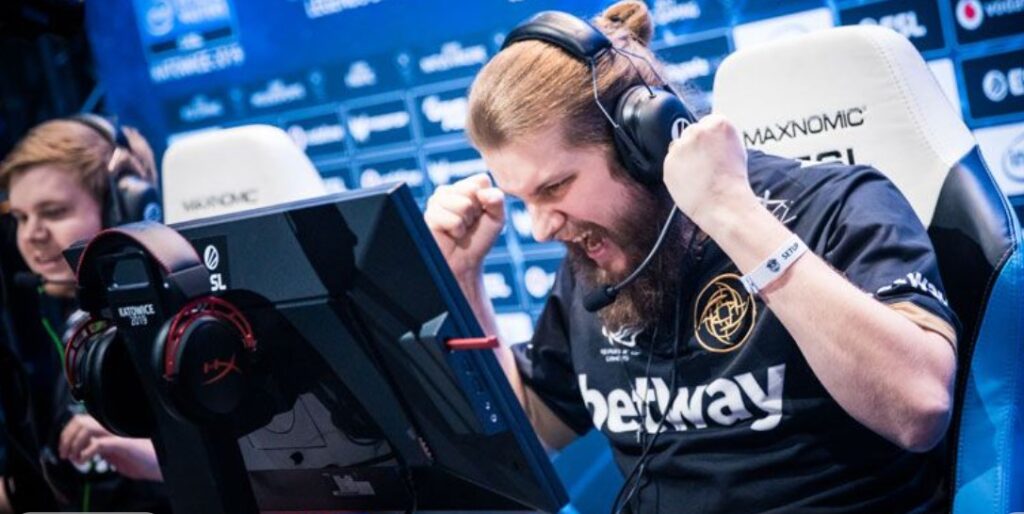
This section explains how an esports team functions as an organized unit rather than a loose group of players. Along with structure and planning, modern team models also rely on support systems that protect mental focus and psychological stability during competition.
Common elements within this framework include:
- Competitive players supported by coaching, analysis, and guidance
- Organized training and preparation processes
- Clear communication and coordination within the team
- Structured scheduling and team management practices
- Mental health support roles that help manage stress and pressure
- Psychological safety mechanisms that encourage open communication and error recovery
- Attention to performance, balance, and long-term continuity
Where ProjectRethink.org Fits Within Today’s Esports World
As esports continues to grow, many traditional team models still prioritize short-term wins, often leading to burnout, unstable rosters, and inconsistent performance. In contrast, newer approaches are emerging that focus on longer participation cycles and player stability. ProjectRethink.org Team Esports fits into this shift by reflecting a team-centered and player-aware perspective that addresses gaps left by result-only competitive models.
Its Place in the Esports Ecosystem
- Moves beyond win-first models by supporting player balance alongside competition
- Aligns with growing responsibility discussions as traditional structures prove insufficient
- Reflects a structured team model designed for consistency, not constant turnover
Connection to the Wider Digital Community
- Uses digital gaming spaces as collaborative environments rather than pressure-only platforms
- Aligns with youth-focused online culture where burnout risk is higher
- Treats gaming as a structured activity beyond entertainment alone
Why This Approach Matters Today
- Normalizes balance in esports by reducing burnout and performance inconsistency
- Supports healthier participation for players while improving team stability for organizations
- Aligns with long-term sustainability valued by players, teams, and sponsors
The Broader Perspective on Mindset and Balance at ProjectRethink.org in Esports
From a wider esports perspective, mindset and balance influence not only performance consistency but also how players handle mental pressure, stress, and uncertainty over time. Alongside adaptability and participation, this view recognizes the emotional demands of competitive gaming, where anxiety, burnout risk, and youth vulnerability are common challenges that teams must actively manage.
Mindset as Competitive Readiness: Mental readiness now includes emotional regulation under pressure. Focus, decision-making, and stress control shape performance during long competitive cycles.
Balance and Performance Consistency: Balanced participation helps manage mental load and fatigue, supporting reliable performance across frequent matches and training schedules.
Adaptation to Change: Teams with structured support adapt better to updates and shifts, as lower stress levels allow clearer thinking and faster adjustment.
Longevity in Esports: Balance supports sustained involvement by reducing burnout and anxiety, helping players, especially younger ones remain active over longer periods.
Conclusion
ProjectRethink.org Team Esports reflects how competitive gaming is gradually moving toward more structured, team-oriented, and sustainable models. As esports evolves, elements such as team systems, adaptability, and long-term participation are gaining importance. This shift highlights that success in esports is increasingly shaped by how teams are organized and maintained, not only by short-term competitive outcomes.
FAQs
Q:1. Does Project Rethink provide professional therapy services?
Ans: Project Rethink focuses on awareness, structure, and support resources rather than offering direct clinical therapy or treatment services.
Q:2. What is the primary focus of Project Rethink’s research or initiatives?
Ans: The focus is on understanding how team structure, mindset, and balance influence long-term participation and stability in esports environments.
Q:3. Does ProjectRethink.org offer internships for students?
Ans: Internship availability is not consistently defined and may vary depending on current projects and organizational needs.
Q:4. Can fans contribute ideas or content to the team?
Ans: Community input is generally welcomed through discussions and engagement, though formal contribution channels may differ by initiative.
Q:5. Is ProjectRethink.org involved in any international partnerships?
Ans: Information about international partnerships is limited and typically shared only when relevant to specific programs or collaborations.
Q: What age group is eligible to apply to development programs?
A: Eligibility criteria can vary by program, but initiatives are commonly oriented toward youth and young adults involved in competitive gaming.
For more visit our website: https://rakeback.blog/